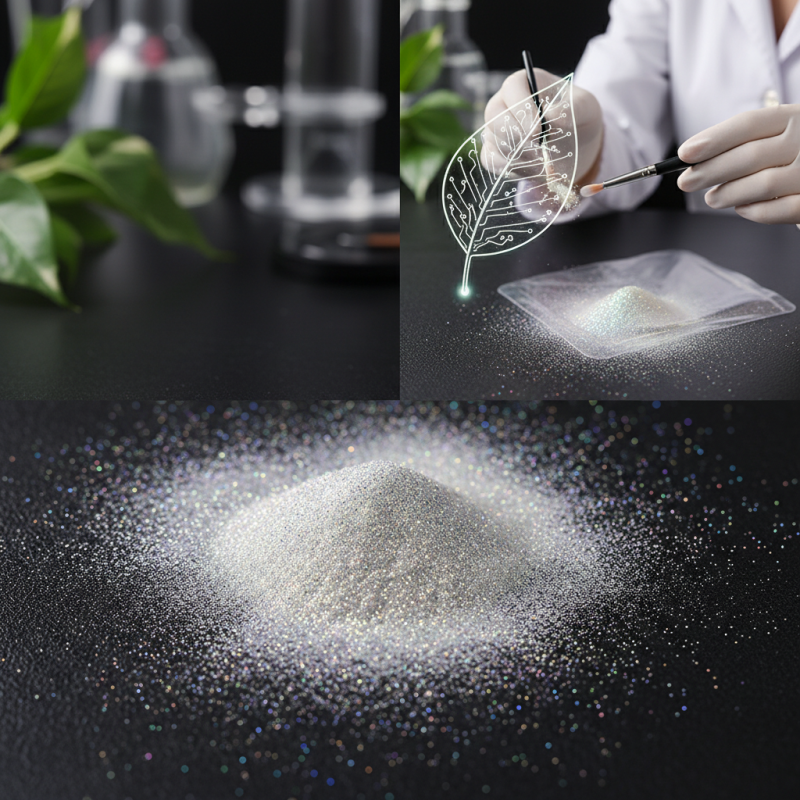
What is Synthetic Mica Powder and Its Uses?
synthetic mica powder is gaining popularity in various industries. This unique material mimics natural mica while being environmentally friendly. Dr. Emily West, a leading expert in mineral technology, states, "Synthetic mica powder offers versatility that natural mica simply cannot match."
The uses of synthetic mica powder extend from cosmetics to plastics. In cosmetics, it provides a shimmering finish and smooth texture. In the plastics industry, it enhances durability and reduces weight. However, the production process requires careful consideration to avoid environmental damage.
While synthetic mica powder has clear benefits, challenges remain. Manufacturers must balance quality with sustainability. The industry's growth also raises questions about sourcing and manufacturing practices. As we explore synthetic mica powder, it's essential to reflect on the impact of our choices.
Definition and Composition of Synthetic Mica Powder
Synthetic mica powder is a man-made mineral product that mimics natural mica. It is primarily composed of silicate minerals. These minerals are finely ground and processed to create a powder form. The result is a versatile and unique material. Its appearance is similar to that of natural mica, but it lacks some of the impurities found in its natural counterpart. This purity makes it an attractive choice for various applications.
Synthetic mica powder is widely used in cosmetics. It adds shimmer and glow to makeup products. For instance, it enhances the texture of foundation, eyeshadows, and blush. Additionally, it can improve the spreadability of these products. In the automotive industry, synthetic mica powder is utilized in coatings and sealants. It helps improve durability and scratch resistance. Its properties allow for a smoother finish and better adhesion.
While synthetic mica has many benefits, there are drawbacks. The production process can have environmental impacts. Sourcing raw materials can also raise ethical questions. As demand for synthetic mica grows, these issues may need addressing. The importance of sustainability should not be overlooked. Finding balance between innovation and responsibility is crucial for future development.
What is Synthetic Mica Powder and Its Uses?
| Property | Description |
| Definition | Synthetic mica powder is a translucent mineral that has been synthesized for industrial and cosmetic use, providing an alternative to natural mica. |
| Composition | Primarily composed of synthetic muscovite, synthetic mica powder is created using minerals and chemical processes to mimic natural mica. |
| Uses in Cosmetics | Often used as a filler and pigment enhancer in cosmetics such as eyeshadow, foundation, and highlighters for a shimmering effect. |
| Uses in Industrial Applications | Used in paints, coatings, and plastics to improve texture, durability, and resistance to heat and chemicals. |
| Advantages | Offers consistent quality, is free of natural contaminants, and is environmentally friendly with less impact on mica mining. |
| Environmental Impact | Synthetic mica production reduces the need for mining natural mica, thereby mitigating environmental degradation associated with mining activities. |
Key Properties of Synthetic Mica Powder: Lightness, Lubrication & Durability
Synthetic mica powder is known for its impressive properties. One of its defining features is lightness. This quality makes it suitable for various applications, including cosmetics and paints. It provides a silky texture without adding significant weight. Users appreciate how synthetic mica enhances the overall feel of products.
Lubrication is another key attribute. The powder reduces friction between surfaces. This characteristic is valuable in industries such as automotive and plastics. It helps in improving the performance of products, but it requires careful formulation. Sometimes, balancing lubrication with other properties can be challenging.
Durability is essential for many applications. Synthetic mica powder withstands high temperatures and tough conditions. However, not all grades of synthetic mica are the same. Some may not perform as expected in extreme environments. It's vital to choose the right type for specific needs. Users often overlook this aspect, leading to disappointment. Understanding these properties can help make informed choices.
Major Applications of Synthetic Mica Powder in Cosmetics and Personal Care
Synthetic mica powder is increasingly gaining traction in the cosmetics and personal care industry. It is valued for its ability to enhance product performance and appearance. This fine powder mimics the natural mica, providing a shimmering effect without the ethical concerns associated with mining. According to recent industry reports, the global synthetic mica market is expected to grow significantly, reflecting a larger trend toward sustainable ingredients.
Many cosmetic formulations, including foundations and eyeshadows, utilize synthetic mica powder. It enhances the texture, creating a silky feel on the skin. Additionally, its reflective properties provide a luminous finish, making it a favorite choice for highlighters and shimmers. The cosmetics sector accounts for a significant percentage of synthetic mica usage, and its popularity continues to rise.
Tips for cosmetic formulators: Always consider the source of your ingredients. Synthetic mica can be a more ethical choice. Keep an eye on the particle size; finer powder can provide a softer finish. It's important to ensure that the synthetic variant meets safety and regulatory standards. Regularly review ingredient efficacy to maintain product integrity and consumer satisfaction.
Industrial Uses of Synthetic Mica Powder in Plastics and Coatings
Synthetic mica powder is increasingly popular in industrial applications, notably in plastics and coatings. Its unique properties offer several advantages, including high thermal resistance and a low coefficient of thermal expansion. According to a recent market analysis, the global synthetic mica market is projected to reach $300 million by 2026, driven largely by the growth in the plastics industry.
In plastics, synthetic mica powder enhances mechanical strength and provides a glossy finish. It also improves thermal insulation, making products more durable. Reports indicate that adding just 5% synthetic mica can significantly boost performance. However, some manufacturers struggle with sourcing high-quality synthetic mica consistently. This inconsistency can lead to variable product quality.
Coatings are another significant area of application. The addition of synthetic mica can improve the scratch resistance of coatings. Studies suggest that it can reduce the potential for peeling and chipping. Despite these benefits, challenges remain. Not all synthetic mica is created equal, and this can affect both aesthetic and functional properties. Manufacturers must navigate these complexities to fully capitalize on synthetic mica's potential.
Market Trends and Growth Forecast for Synthetic Mica Powder Industry
The synthetic mica powder industry is experiencing notable growth. This surge is largely due to increased demand in various sectors. Notably, the cosmetics industry is a major contributor. Consumers prefer mineral-based products. They see synthetic mica as a safer, eco-friendly alternative. This trend is reshaping market dynamics.
Market forecasts indicate a steady rise in the use of synthetic mica powder. The demand extends beyond cosmetics. It includes applications in electronics, paint, and plastics. Each sector seeks lightweight, high-performance materials. These industries are evolving, and synthetic mica fits well into their goals. However, challenges remain in sourcing and production processes.
The growth of this market brings opportunities and concerns. Companies must address sustainability issues. There’s a need for transparency in sourcing. The industry has the potential for innovation. However, awareness and commitment to ethical practices are vital. Stakeholders must reflect on their responsibilities to foster real growth.
 English
  Français