How to Use Easy Open Ends for Efficient Packaging Solutions?
Efficient packaging is essential in today’s fast-paced world. One innovative solution is the use of Easy Open Ends. These convenient packaging options provide consumers with effortless access to the product inside. They enhance user experience and save time, making them increasingly popular.
In various industries, Easy Open Ends streamline packaging processes. They reduce the need for additional tools or complicated opening methods. This simplicity is not just a consumer preference; it also reflects the commitment to quality and convenience by manufacturers. However, it’s crucial to acknowledge that implementing Easy Open Ends may require initial investment and adaptation.
Despite their advantages, challenges may arise. For instance, not every packaging machine can handle Easy Open Ends. Manufacturers should consider compatibility. Evaluating whether these solutions fulfill both consumer expectations and operational efficiency is vital. In this evolving landscape, understanding the balance between innovation and practicality becomes essential for sustainable practices.
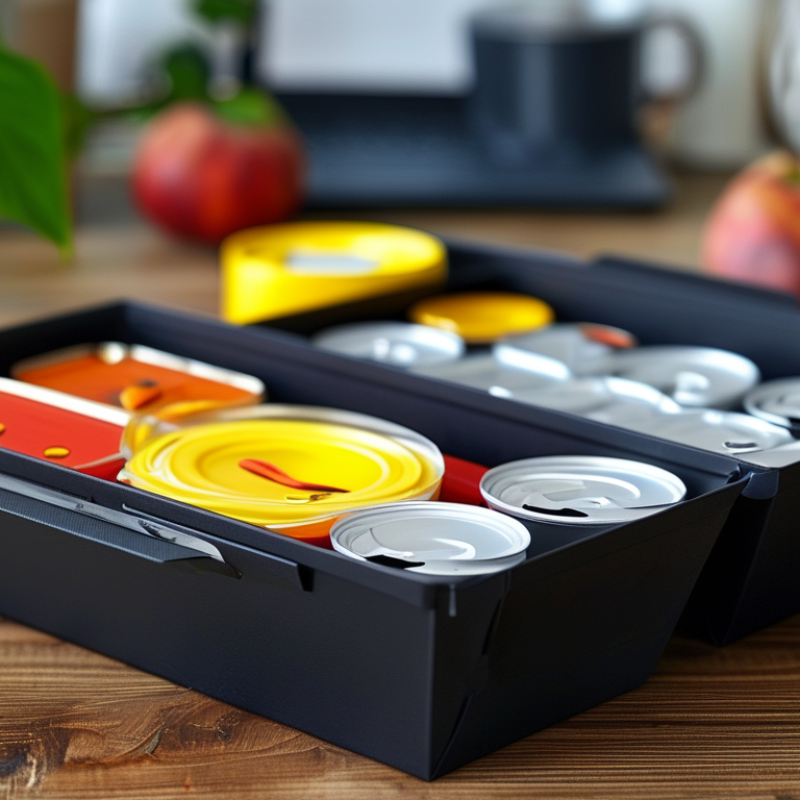
Understanding Easy Open Ends and Their Benefits in Packaging
Easy open ends are increasingly popular in the packaging industry. They provide a user-friendly solution for consumers. These lids allow for effortless opening, improving the overall experience. Many people struggle with traditional lids. This frustration often leads to damaged packaging. Easy open ends eliminate this issue, making them a smart choice for various products.
The benefits of easy open ends extend beyond convenience. They enhance safety, especially for children and seniors. These lids are designed to minimize the risk of injury. Their intuitive design reduces the need for tools or excessive force. Additionally, they can be manufactured from recyclable materials, promoting sustainability. This aligns with consumer values today.
Even with their advantages, easy open ends face challenges. Not all designs suit every product. Some packaging types may not offer the same level of protection. Manufacturers must carefully consider material choices. Balancing ease of use with durability is vital. This ongoing reflection can lead to further innovations in packaging solutions.
Types of Easy Open Ends and Their Applications in Various Industries
Easy open ends are revolutionizing packaging across multiple industries. These user-friendly designs enhance consumer convenience and streamline efficiency. The main types include ring-pull, twist-off, and peel-back ends. Each has unique benefits suited for various products.
Ring-pull ends are common in beverage cans, providing quick access without extra tools. They minimize spillage and maintain freshness. Twist-off caps are prevalent in food packaging, allowing for secure sealing and ease of use. However, they can sometimes be hard to open for those with limited strength.
Peel-back ends are increasingly popular for single-serve products. Their easy access is perfect for on-the-go consumers. Yet, they may face challenges in sealing integrity over time. Significant research is ongoing to enhance their reliability while keeping user convenience in mind.
Steps to Implement Easy Open Ends in Your Packaging Process
Implementing easy open ends in your packaging process can enhance efficiency significantly. Start by assessing your current packaging machinery. Identify any compatibility issues. You might find your existing equipment can handle easy open ends with minor adjustments. Understanding your machinery’s capabilities is crucial in this initial step.
Next, consider the material selection. Different easy open ends come in various materials. Some are made from metal, while others use advanced plastics. Each type has unique properties affecting usability and shelf life. Test samples in your production line to see what works best. Gather feedback from workers who handle these packages daily. Their insights can guide modifications.
Training staff on new procedures is vital. Organize sessions that cover the specifics of using easy open ends. Highlight safety and efficiency practices during implementation. Utilize visual aids and hands-on demonstrations to reinforce learning. Continuous evaluation after implementation is essential. Collect data on packing times and customer satisfaction. Be prepared to adapt based on real-world feedback.
Best Practices for Designing and Using Easy Open Ends Efficiently
Easy Open Ends (EOE) offer a practical solution for efficient packaging. Their design simplifies the opening process, promoting accessibility for users. When designing easy open ends, it is vital to consider user experience as a priority. Ensuring the pull tab is substantial enough to provide a firm grip is critical. If the tab is too small or difficult to maneuver, it defeats the purpose of convenience.
In addition to user interface, material selection plays a crucial role. Lightweight yet durable materials help maintain product integrity while being easier to open. Balancing strength with ease of use can be challenging. Manufacturers must stay mindful of production costs versus quality output. Sometimes opting for cheaper materials leads to frustration for consumers, impacting brand loyalty.
Another key factor in using easy open ends effectively is clear labeling. Providing visual instructions or icons can further enhance usability. A poorly designed label can create confusion and reduce the overall effectiveness of the packaging. Continuous feedback from users can help improve designs that may initially seem perfect but require adjustments. Listening to consumer insights fosters innovation and drives better usability.
Evaluating the Environmental Impact of Easy Open Ends in Packaging Solutions
Easy open ends, often found in packaging, are designed to enhance user convenience. Packaging Innovation stated that over 70% of consumers prefer easy-open features for quick access. However, while convenience is a clear benefit, the environmental impact of these packaging solutions warrants careful consideration.
Many easy open ends are made from materials like aluminum or flexible plastic. The recycling rates for these materials can be low. According to the EPA, only 9% of plastic waste is recycled in the U.S. This raises questions about sustainability. Is the convenience worth the environmental cost? Research suggests that manufacturers should explore biodegradable options to address these concerns. Achieving a balance between usability and sustainability remains a challenge.
Additionally, easy open ends are often non-recyclable due to their composite materials. This creates a higher volume of waste. A study highlighted that packaging contributes to 30% of global waste. Rethinking packaging design is crucial. Alternative materials or designs could reduce the ecological footprint. Companies must assess their packaging strategies with environmental sustainability in mind.
 English
  Français