
What Are the Top Types of Metering Equipment?

    Metering Equipment turns moving water, gas, steam, and electricity into numbers that people can use. The right meter helps operators track consumption, control processes, and spot unexpected changes. But there is no single best design. A meter suited to a clean water line may perform poorly with viscous oil, entrained air, or rapidly changing flow.

    Lord Kelvin, a leading authority on measurement science, wrote, “When you can measure what you are speaking about, and express it in numbers, you know something about it.” That principle remains useful when comparing metering technologies. This guide examines positive displacement, turbine, electromagnetic, ultrasonic, Coriolis, and thermal mass meters, along with common utility meters. Each type measures differently. Some rely on moving parts; others use magnetic fields, sound waves, or heat transfer.

    Look beyond the product label. Pipe size, fluid properties, pressure, temperature, installation space, and required accuracy all affect performance. A meter’s display may look precise while poor installation quietly undermines its readings. That is easy to overlook.

    The sections ahead explain how leading meter types work, where they are commonly used, and what trade-offs buyers should consider. They also identify practical questions about maintenance, calibration, and total operating cost. No technology wins in every setting. Even a well-chosen meter can disappoint when the application is poorly understood—a limitation worth keeping in view.
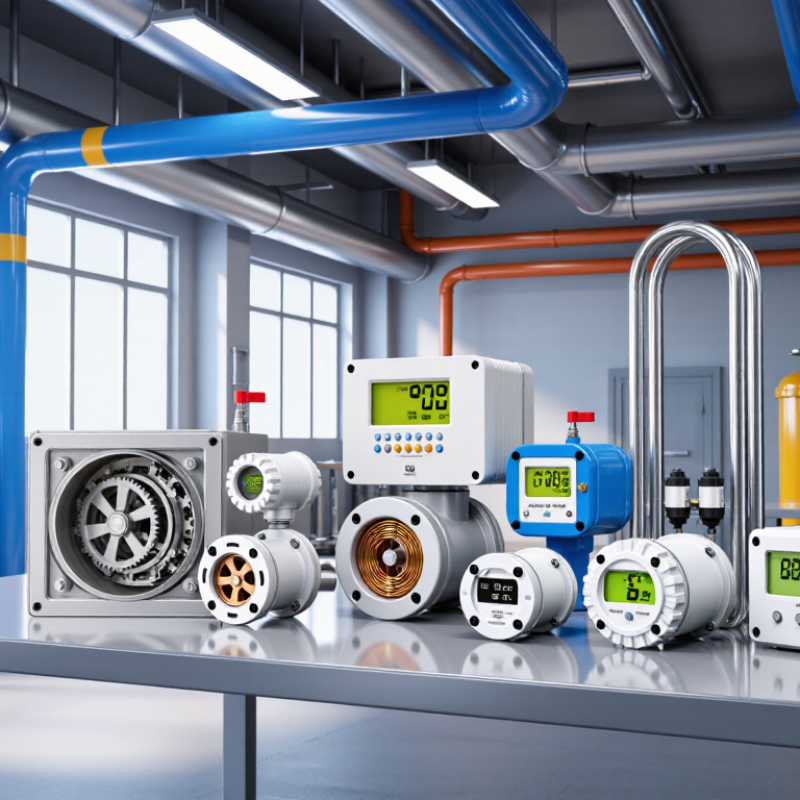
    What Are the Top Types of Metering Equipment?

    Flow Meters for Measuring Liquid and Gas Flow

    Flow meters turn moving fluid into a measurable signal. For liquids, electromagnetic meters work well with conductive fluids, such as water in a treatment line. They have no moving parts in the flow path, which can reduce wear. But they are not suitable for every liquid; conductivity matters. Turbine meters use a rotor, so clean, steady flow is important. A Coriolis meter measures mass flow directly and can also report density. That detail helps when product composition or temperature shifts. Not magic, though.

    Gas measurement brings different challenges because pressure and temperature affect volume. Thermal mass meters estimate gas mass flow from heat transfer and are often useful on compressed-air lines. Ultrasonic meters infer flow from sound travel times and can measure large pipes without obstructing the stream. Differential-pressure meters are widely used, but pressure drop and installation details need attention. Check the operating range, fluid cleanliness, pipe size, and required accuracy before choosing a meter. A device that reads beautifully on a bench may behave differently beside a vibrating pump. Calibration records matter. And so does a straight pipe run.

    Water Meters for Monitoring Consumption

    A water meter turns daily use into measurable evidence. Mechanical meters register flow through a moving element, while ultrasonic models estimate flow using sound. Smart metering systems can send readings more frequently, helping households spot unusual patterns. The U.S. Geological Survey’s Estimated Use of Water in the United States in 2015 reported average public-supply domestic deliveries of about 82 gallons per person per day. A household meter makes that broad figure more personal: a sudden overnight increase may point to a running toilet or a leaking irrigation line.

    Small changes matter. U.S. EPA WaterSense guidance estimates household leaks can waste nearly 10,000 gallons annually; about 10% of homes have leaks wasting 90 gallons or more each day. A meter can help reveal that loss, but it cannot identify its cause. Compare readings at similar times, note outdoor watering, and check whether the meter moves when taps are closed. A caveat: estimates can be distorted by missed readings, pressure changes, or faulty equipment. That detail is easy to overlook. For practical monitoring, choose a meter sized for the pipe and expected flow, and verify that its display is readable. Cite the USGS report and EPA WaterSense leak guidance when sharing usage figures.

    Gas Meters for Measuring Fuel Use

    Gas meters track the volume of fuel passing through a pipe. The right meter depends on flow rate, gas type, pressure, and operating conditions. For many homes, diaphragm meters use flexible chambers that expand and contract as gas flows. Their steady mechanical movement makes consumption easy to record.

    Larger facilities may use rotary or turbine meters. Rotary meters handle continuous flows with rotating elements, while turbine meters measure flow through a spinning rotor. Ultrasonic meters estimate flow from sound waves and have no moving parts in the gas stream. Each design has limits. Small details matter. A meter sized poorly for actual demand may give less dependable readings, especially when flow varies widely. Some meters record volume, while energy billing may also account for gas quality and reference conditions. Installation orientation, pipe layout, and regular inspection can affect performance. A technician should check the meter’s specifications and local operating requirements before choosing or servicing equipment. Even then, selection is not always perfect; unusual demand patterns may call for closer monitoring.

    What Are the Top Types of Metering Equipment? — Gas Meters for Measuring Fuel Use
    Meter Type How It Measures Gas Typical Fuel-Use Applications Main Advantages Key Considerations
    Diaphragm (Positive Displacement) Flexible diaphragms divide the gas into known volumes; the meter counts the repeated filling and emptying cycles. Residential and small commercial natural-gas consumption, especially at relatively low flow rates. Well suited to variable, low flows; widely used for billing and straightforward volume measurement. Mechanical parts can wear over time. The meter must be correctly sized, installed, and maintained for the expected flow range.
    Rotary (Positive Displacement) Rotating lobes trap and displace measured pockets of gas through the meter. Commercial and industrial fuel use where flows are higher or more variable than those typically handled by domestic meters. Compact for its capacity and capable of measuring a broad range of flows when properly selected. Requires suitable filtration and installation. Pressure loss, operating limits, and maintenance needs depend on the meter design and service conditions.
    Turbine Gas flow turns a rotor; rotor speed is used to determine the volume passing through the meter. High-flow industrial fuel measurement and gas distribution applications with relatively steady flow. Suitable for large flow rates and can provide repeatable measurement in clean, well-conditioned gas service. Performance can be affected by flow disturbances, pulsation, contamination, and operation outside the specified flow range. Straight-pipe or flow-conditioning requirements may apply.
    Ultrasonic Ultrasound signals traveling with and against the gas flow are compared to calculate flow velocity and volume. Large pipelines, industrial fuel monitoring, and applications where low pressure loss or limited moving parts are desirable. No moving parts in the flow path; can measure high flows with low obstruction to the gas stream. Requires appropriate installation and signal conditions. Gas composition, flow profile, meter sizing, and calibration affect performance.
    Coriolis Mass Flow Vibrating meter tubes respond to flowing mass, allowing the instrument to measure mass flow directly. Process and fuel systems that need direct mass-flow data, including selected compressed-gas or industrial gas services. Measures mass directly and can also provide density-related information, depending on the instrument. Often has a higher initial cost and may be less practical for very large pipeline sizes. Selection must account for gas pressure, flow, and installation conditions.
    Thermal Mass Uses heat transfer from a heated sensor to the flowing gas to determine mass flow. Combustion-air and fuel-gas monitoring, burner systems, and selected process applications. Provides mass-flow measurement without requiring a separate pressure-and-temperature volume correction in many configurations. Reading depends on gas properties and composition. The meter must be configured for the gas being measured; moisture or contamination may also affect performance.

    Selection depends on gas composition, required flow range, pressure and temperature, measurement purpose, installation conditions, and applicable local standards. Volume readings may require pressure and temperature correction when comparing fuel use across different operating conditions.

    Electrical Meters for Tracking Power and Energy

    Electrical meters show how a circuit uses electricity, but different meters answer different questions.
    A standard energy meter records consumption in kilowatt-hours over time. It helps facility teams compare usage, spot unusual changes, and check whether upgrades reduce demand. A digital or smart meter may provide more frequent readings, depending on its setup. For troubleshooting, a power meter can display voltage, current, real power, and power factor. A power-quality analyzer can also capture voltage dips or harmonic distortion. These tools are not interchangeable. Small details matter.

    Tips: Match the meter to the measurement. For monthly energy trends, use an energy meter with a suitable logging interval. To inspect a motor circuit, check current and power under normal load, not only at startup. Confirm the meter’s range, accuracy, and installation method before relying on readings. If results seem inconsistent, verify the wiring and compare them with a trusted reference instrument. Live measurements require qualified personnel and appropriate protective procedures.

    Meter choice also depends on whether you need a temporary check or continuous monitoring. A clamp meter is useful for quick current checks without disconnecting a conductor, but it may not track long-term energy use on its own. For meaningful comparisons, record operating hours, load conditions, and meter location. Readings can look precise while missing context. That limitation is easy to overlook.

    Thermal Meters for Measuring Heating and Cooling Energy

    Thermal meters quantify heating or cooling by combining fluid flow with the difference between supply and return temperatures. The calculation uses the volume of fluid passing through a pipe, its temperature change, and its thermal properties. A typical installation includes a flow sensor, matched temperature probes, and a calculator. Chilled-water systems need the correct cooling configuration; a heating-only setup can misread energy direction.

    The need is substantial. Eurostat’s 2024 household-energy statistics report that space heating represented 62.5% of EU household final energy use in 2022. The IEA’s Energy Efficiency 2023 report places buildings at about 30% of global final energy consumption. These figures do not measure meter performance. They show why reliable thermal data helps operators assess boilers, heat pumps, chillers, and building-level energy use.

    Installation details matter. Position probes in well-mixed flow, follow specified pipe-length requirements, and pair temperature sensors correctly. Air pockets, fouled strainers, reversed probes, or poorly insulated sensor wells can distort readings. Small errors persist. During commissioning, compare meter readings with plant trends and check calibration status. A meter records transferred energy, not comfort or equipment efficiency by itself. Operators should review flow, temperature difference, and runtime together; otherwise, a low reading may indicate poor circulation rather than savings. Easy to miss.