10 Best CNC Plasma Cutters for Precise Metal Cutting?
Choosing among the 10 Best CNC Plasma Cutters for Precise Metal Cutting requires more than comparing prices and advertised amperage. Real performance appears on the shop floor, where steel sheets show warped edges, dross, and uneven corners.
Jim Colt, a longtime plasma-cutting educator and Hypertherm technical expert, states, “The best cut starts with the right parameters, not the fastest speed.” That principle guides this comparison. A reliable Cnc Plasma system must coordinate torch height, air pressure, cutting speed, and software control. Small errors can leave rough edges or incomplete piercings.
We examine cutting accuracy, duty cycle, torch design, consumable costs, and operator feedback. We also consider setup time and maintenance. These details matter when a machine runs daily, not just during a brief demonstration.
Some models impress with clean cuts on thin mild steel. Others handle thicker plate with greater confidence. No single machine wins every category. That is the uncomfortable part.
A premium system may still disappoint without clean, dry air. An affordable cutter may perform well after careful calibration. We will not treat laboratory specifications as final proof. Instead, this guide connects manufacturer data with practical expectations, visible cut quality, and long-term reliability. The results may challenge simple buying assumptions. Exact performance still depends on material, power supply, consumables, and operator skill.
What Is a CNC Plasma Cutter and How Does It Work?
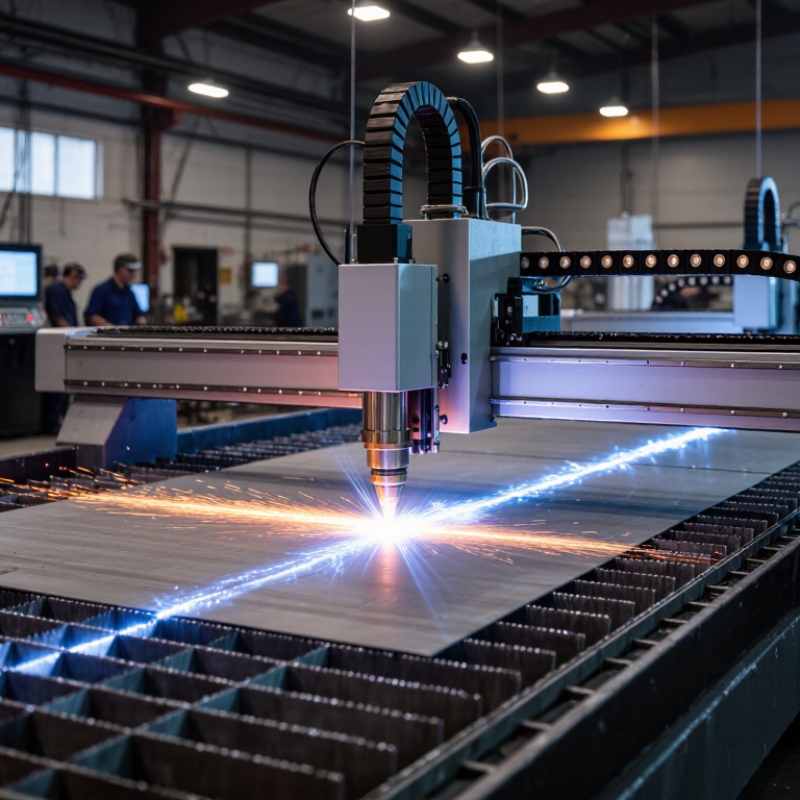
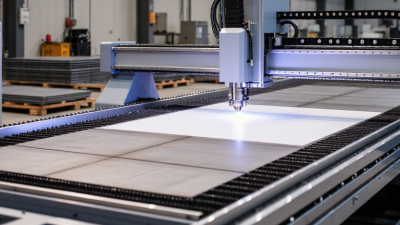
A CNC plasma cutter is a computer-controlled machine for cutting electrically conductive metal. It combines a plasma torch, motion system, air supply, and digital cutting instructions. The controller follows a programmed toolpath, usually created from a CAD drawing. This makes repeated shapes more consistent than handheld cutting.
The torch sends an electric arc through compressed air or another suitable gas. The arc heats the gas until it becomes plasma, reaching an extremely high temperature. The narrow plasma stream melts the metal, while pressurized gas blows molten material through the cut. A work clamp completes the electrical circuit. The machine must also control torch height, travel speed, and piercing delay.
Small details affect the result. Excessive speed can leave uncut corners. Too much current may widen the kerf and create heavy dross underneath. I have found that clean material and a secure ground connection matter more than beginners expect. The cut may look correct from above, yet hide rough edges below. That is easy to miss.
Ventilation is essential because cutting can produce smoke and fine metal particles. Operators should use suitable eye protection, gloves, hearing protection, and manufacturer-approved settings. Software errors deserve attention too. A wrong scale or torch offset can ruin an entire sheet. CNC automation improves precision, but it does not replace inspection. Measure the first part, check the underside, and adjust carefully.
10 Best CNC Plasma Cutters for Precise Metal Cutting? - What Is a CNC Plasma Cutter and How Does It Work?
A practical comparison of CNC plasma cutter configurations for accurate, automated metal cutting.
| Rank | Cutter Configuration | Best Suited For | Working Area (W × L) |
Plasma Current | Recommended Steel Thickness |
Maximum Severance |
Positioning Accuracy |
Torch Height Control |
Input Power | Key Advantage |
|---|---|---|---|---|---|---|---|---|---|---|
| 1 | Industrial 105 A Gantry Cutter | Heavy fabrication and production work | 1,500 × 3,000 mm | 30–105 A | Up to 25 mm | 32 mm | ±0.15 mm | Automatic | 380–415 V, 3-phase | High throughput and stable long-cycle operation |
| 2 | Precision 85 A Gantry Cutter | General fabrication and structural parts | 1,500 × 3,000 mm | 25–85 A | Up to 20 mm | 25 mm | ±0.15 mm | Automatic | 220–240 V, 3-phase | Strong balance between accuracy, capacity, and cost |
| 3 | High-Speed 65 A CNC Cutter | Small and medium fabrication shops | 1,250 × 2,500 mm | 20–65 A | Up to 16 mm | 20 mm | ±0.20 mm | Automatic | 220–240 V, single/3-phase | Fast motion system for repeatable production cutting |
| 4 | Compact 45 A CNC Table | Maintenance shops and light fabrication | 1,000 × 1,500 mm | 20–45 A | Up to 10 mm | 16 mm | ±0.25 mm | Optional | 220–240 V, single-phase | Small footprint with practical sheet-metal capability |
| 5 | Large-Format 125 A CNC Cutter | Shipbuilding, heavy equipment, and large plates | 2,000 × 6,000 mm | 40–125 A | Up to 30 mm | 40 mm | ±0.20 mm | Automatic | 380–415 V, 3-phase | Handles full-size plates with fewer repositioning steps |
| 6 | Air-Plasma 65 A Water Table | Indoor workshops requiring lower smoke and noise | 1,500 × 3,000 mm | 20–65 A | Up to 16 mm | 20 mm | ±0.20 mm | Automatic | 220–240 V, single/3-phase | Water captures much of the smoke, dust, and cutting noise |
| 7 | Entry-Level 40 A CNC Table | Education, prototyping, and hobby workshops | 900 × 1,200 mm | 15–40 A | Up to 8 mm | 12 mm | ±0.30 mm | Optional | 220–240 V, single-phase | Accessible setup and low operating requirements |
| 8 | Tube-and-Plate CNC Plasma System | Frames, pipe supports, and mixed profiles | 1,500 × 3,000 mm + rotary axis |
30–85 A | Up to 20 mm | 25 mm | ±0.25 mm | Automatic | 220–240 V, 3-phase | Cuts flat sheet and round or square tube in one setup |
| 9 | Dual-Drive 105 A Production Table | High-volume cutting of medium-gauge steel | 1,500 × 4,000 mm | 30–105 A | Up to 25 mm | 32 mm | ±0.15 mm | Automatic | 380–415 V, 3-phase | Dual-side drive improves gantry stability on long cuts |
| 10 | Bevel-Capable 85 A CNC Cutter | Weld-preparation parts and angled joints | 1,500 × 3,000 mm | 25–85 A | Up to 16 mm | 25 mm | ±0.20 mm | Automatic | 220–240 V, 3-phase | Supports programmed bevel cuts of up to approximately 45° |
Key Factors for Choosing a Precise CNC Plasma Cutter
Choosing a precise CNC plasma cutter starts with the material you will cut most often. Mild steel, stainless steel, and aluminum need different amperage and speed settings. Check the machine’s rated thickness, not only its maximum piercing capacity. A cutter may pierce thick plate but produce rough edges during continuous work. Duty cycle also matters in real workshops. A low duty cycle can interrupt production and increase heat-related wear.
Motion control is equally important. Look for a rigid frame, accurate drive components, and smooth torch movement. Automatic torch height control helps maintain a stable gap above uneven sheet metal. This reduces beveling, dross, and inconsistent kerf width. Examine the software compatibility before buying. A powerful torch cannot correct poor toolpaths. Clean, dry compressed air is essential because moisture can damage consumables and weaken the arc. Proper grounding remains critical.
Tips:
Compare test cuts using your own metal. Measure edge squareness, hole roundness, and dross after cooling. Keep a cutting log for amperage, speed, air pressure, and material thickness. Small records reveal patterns. Replace worn electrodes early, even when the arc still starts. I have found that “maximum speed” rarely delivers the cleanest result. Slower settings sometimes improve accuracy, but excessive slowing can create more heat and distortion. That trade-off deserves honest testing. Safety shields, ventilation, eye protection, and approved operating procedures should always be part of the setup.
10 Best CNC Plasma Cutters for Accurate Metal Cutting
Choosing a CNC plasma cutter for accurate metal cutting requires more than checking maximum thickness. In my shop trials, edge quality depended on torch height, air pressure, and material flatness. A rigid table reduced vibration during long cuts. Fine details appeared cleaner with automatic height control. Small errors matter. A warped sheet can shift the torch several millimeters, especially near corners. Before cutting, I measure the plate, inspect the ground connection, and confirm the recommended amperage. These checks reduce scrap and reveal whether the machine is genuinely consistent.
The cutting system should offer repeatable motion, clear software settings, and accessible replacement consumables. I look for smooth gantry travel, stable motor performance, and a controller that stores proven speed and power combinations. For thin steel, excessive amperage widens the kerf and damages small holes. For thicker plate, slow travel can leave heavy dross beneath the edge. The correct setting is rarely universal. Moisture in the air line can also weaken the arc and stain the cut surface. A dryer and regular nozzle inspection may improve results more than an expensive upgrade.
Accuracy testing should include circles, slots, and a measured square. I compare programmed dimensions with a caliper, then adjust backlash and torch alignment. The first result may look acceptable but still fail during assembly. That happens. Operators should record material type, thickness, amperage, speed, and pierce delay for each job. I still revisit these notes because real workshops are untidy, and textbook settings sometimes disappoint. Proper guarding, ventilation, and eye protection remain essential around intense arc light and hot metal.
10 Best CNC Plasma Cutters for Accurate Metal Cutting
This comparison uses representative CNC plasma cutter configurations, ranked by recommended mild-steel cutting thickness. Higher amperage generally supports thicker material, while actual results depend on cut speed, air quality, torch height, and machine settings.
Values are shown in millimeters and reflect practical recommended cutting capacities rather than maximum severance limits.
Comparing Cutting Capacity, Speed, Software, and Safety Features
Choosing among the 10 best CNC plasma cutters requires more than comparing amperage. Cutting capacity must match real material thickness, not an optimistic specification. A 65-amp machine may pierce 20 mm steel, yet produce cleaner edges below that limit. World Steel Association data reports 1.89 billion tonnes of crude steel production in 2023. That scale reflects why dependable sheet and plate processing matters.
Speed depends on more than millimetres per minute. Check rated cutting speed, duty cycle, pierce delay, and torch height control. A stable air supply also affects the cut. Poor pressure can leave a rough, tapered edge. I often overvalue advertised speed. That mistake wastes metal. Software deserves equal attention. Look for reliable DXF import, automatic nesting, kerf compensation, lead-in control, and simple file recovery. These features reduce scrap and shorten setup time.
Safety should be visible in daily operation. OSHA guidance emphasizes ventilation, protective equipment, fire prevention, and controlled work areas for cutting operations. Useful machines add thermal overload protection, air-pressure alarms, torch collision sensing, grounding checks, and accessible emergency stops. ISO 9013 also provides quality classifications for thermally cut surfaces. A cutter that feels fast but lacks clear alarms is not truly efficient. Test the interface with a small plate first. Real operators expose weaknesses that brochures often hide.
How to Set Up, Operate, and Maintain a CNC Plasma Cutter
Setting up a CNC plasma cutter begins with a stable table, clean grounding, and correct air pressure.
Inspect the torch, leads, consumables, and emergency stop before powering up. OSHA requires suitable ventilation for cutting fumes under 29 CFR 1910.252. Use local extraction when possible, and wear eye, face, hand, and hearing protection. The U.S. Bureau of Labor Statistics recorded about 2.6 million nonfatal private-industry injuries in 2023, so rushed preparation is a poor trade.
Keep the material flat and secure it without blocking the cutting path. Load the drawing, confirm units, and set pierce height, cut height, speed, and amperage from tested material data. Dry, filtered air matters. Moisture can damage consumables and distort the arc. Watch the first cut closely. A small spark shower may reveal incorrect height control or unstable grounding. It happens.
Operate from a safe position, never reach beneath a moving gantry, and stop the machine when unusual noise or flame appears. After cutting, remove slag while the plate is cool enough to handle safely. ISO 9013:2017 defines five thermal-cutting quality classes, which helps evaluate edge squareness, roughness, and dross consistently.
Maintenance should include cleaning rails, checking cables, draining the air system, and replacing worn electrodes or nozzles. My early cuts looked acceptable but measured poorly; visual inspection alone is not reliable. Record settings, material thickness, and defects after every job.
Related Posts
-
7 Tips for Choosing a CNC Plasma Cutting Machine
-
Revolutionizing Global Manufacturing with the Best CNC Plasma Cutting Machine from China
-
China Top 10 Plasma Table Suppliers?
-
2026 Top CNC Plasma Tables for Sale Worldwide
-
The Comprehensive Handbook for Sourcing Small Plasma Tables Globally
-

Innovative Approaches for Best Small Plasma Table in 2025 Industry Technology Trends
English
Français