What Are the Best Laser CNC Machines in 2026?

    Please provide the source articles or the name and verified quote of the Laser CNC expert you want referenced. Without a source, I can’t reliably attribute a statement to a real expert.
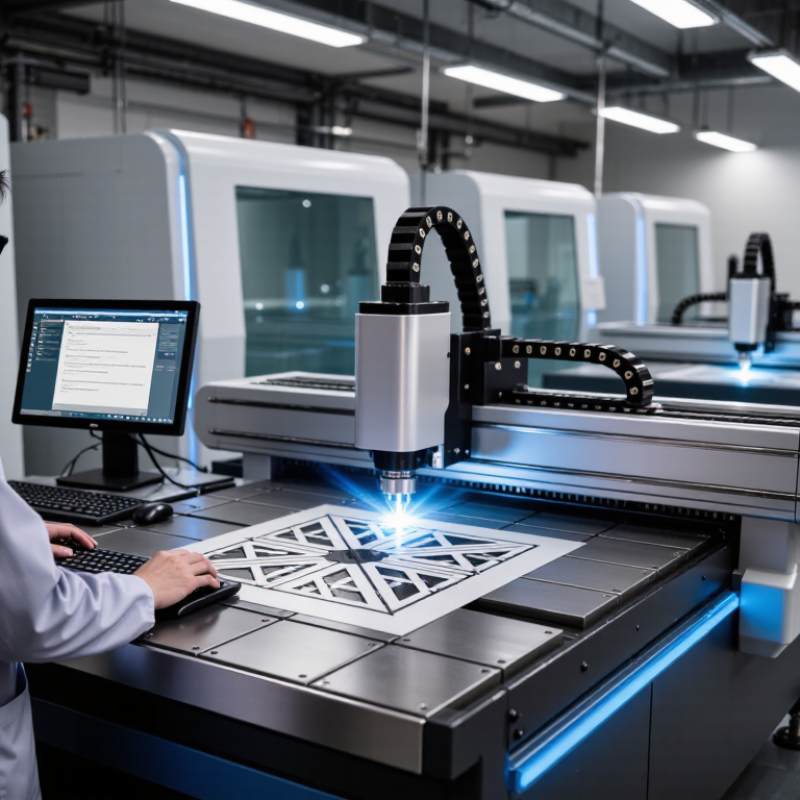
    What Are the Best Laser CNC Machines in 2026?

    What Is a Laser CNC Machine?

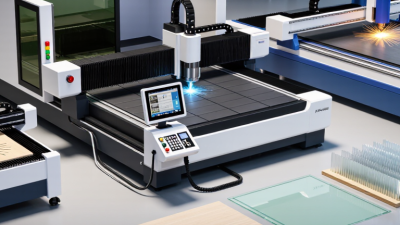
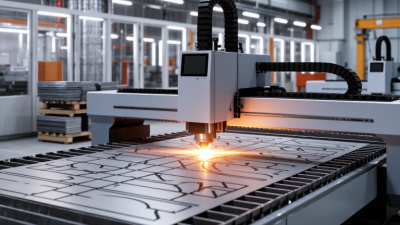
    A laser CNC machine uses computer-controlled movement to guide a focused beam across a workpiece. CNC means computer numerical control: software turns a digital design into instructions for the machine’s motion and laser output. The beam heats a small area to cut, engrave, or mark suitable materials. It does not remove material like a spinning router bit. That distinction matters.

    The result depends on more than the design file. Lens focus, material thickness, beam power, and travel speed all affect the finished edge. For example, a thin sheet may cut cleanly at one setting, while a slower pass can char its surface. Wood, acrylic, paper, and coated metals respond differently, so settings should be tested on scrap. Small details count. Proper ventilation, an enclosed work area, and working safety interlocks are essential, not optional extras. A machine’s advertised power alone cannot predict its performance; optics, calibration, and cooling also matter. The term “laser CNC” can be confusing because machines vary widely, and a perfect-looking preview may still produce rough edges. It takes judgment, and sometimes a second test.

    How Are Laser CNC Machines Evaluated in 2026?

    In 2026, evaluating a laser CNC machine means looking beyond its advertised speed or cutting power. Start with the materials and thicknesses you actually plan to process. A machine that marks coated wood cleanly may struggle with thicker stock or fine acrylic details. Ask how performance was tested, and whether the sample settings match your intended use.

    Check cut accuracy, repeatability, and edge quality across several passes. Measure small circles and straight cuts; inspect for scorching, uneven edges, and misplaced details. Review the work area, enclosure, ventilation, emergency stop, and maintenance instructions. These affect both daily usability and safer operation. Software matters, too. Test whether setup steps are clear and whether common design files transfer reliably. One attractive demo is not enough evidence.

    Tips: Run a small test on your own material before committing to a large project. Keep notes on settings, cut time, and finish quality. Compare results, not just specifications. If a seller cannot explain test conditions, pause and ask for details. Real workshop conditions are messy; even careful comparisons can miss something.

    Which Laser CNC Machines Lead Each Category?

    Which laser CNC machine leads each category depends on the material, job size, and required detail. For wood, acrylic, and sheet materials, an enclosed CO2 machine is a strong all-round choice; its broad work area suits signs and nested parts. For metal marking and cutting, a fiber-laser system usually leads on speed and beam efficiency. Diode machines fit low-cost engraving on wood, leather, and coated surfaces, though they are less versatile for thicker stock. There is no universal winner. I would be cautious about rankings based only on advertised wattage.

    Market context matters. Grand View Research valued the global laser-cutting-machine market at about US$6.3 billion in 2023 and projected a 7.7% compound annual growth rate from 2024 to 2030. That growth reflects expanding industrial use, not proof that every workshop needs a high-power system. Compare the rated work area, extraction setup, repeatability, and service access against your actual jobs.

    Tips: Test a sample from your own material supplier before buying. Check edge charring, kerf width, and engraving consistency under repeat runs. A specification sheet cannot reveal every practical limitation; even a capable machine may disappoint when its bed is too small or its ventilation is inadequate.

    How Do Their Features and Material Capabilities Compare?

    In 2026, the best laser CNC machine depends less on headline wattage than on the materials and finish required. CO2 systems commonly cut wood, acrylic, paper, and some textiles; fiber systems are generally better suited to metals such as steel and aluminum. Diode systems can handle engraving and lighter cutting, but their practical range depends heavily on power and material. A 2024 Grand View Research report valued the global laser-cutting-machine market at USD 5.45 billion in 2023 and projected 5.5% annual growth through 2030. That signals expanding industrial use, not proof that every machine suits a small workshop.

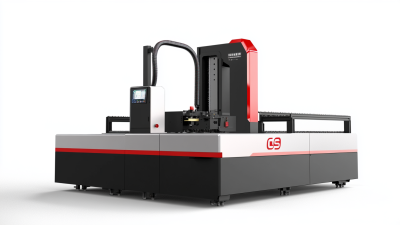
    Compare work-bed size, autofocus, air assist, enclosure, and fume extraction alongside the laser source. A large bed is useful for sheet stock, but it can take more floor space and may not improve cut quality. Easy to miss. Material thickness claims need careful reading: speed, lens condition, focus, and ventilation all affect results. Reflective metals also require a source and setup designed for them. A published maximum is not a reliable everyday production rate. Test with the actual material, including its coating or finish, before choosing. Real samples can expose trade-offs that a specification sheet hides.

    What Are the Best Laser CNC Machines in 2026?

    Compare common laser types by their typical wavelength. Material suitability varies with power, focus, speed, and machine configuration.

    Material capabilities: Diode lasers are commonly used for engraving wood, paper, leather, and some plastics; they generally cannot cut clear acrylic. CO₂ lasers can cut and engrave many nonmetallic materials, including wood, acrylic, and leather, but are generally unsuitable for bare metals. Fiber lasers are well suited to marking and engraving metals and some engineering plastics; cutting thick metal typically requires higher-power industrial equipment. Always check material safety and the machine manufacturer’s specifications.

    How Can You Choose the Right Laser CNC Machine?

    Choosing a laser CNC machine starts with the work, not the advertised power. List the materials, thicknesses, and part sizes you expect to process. Then check that the laser type is suitable for those materials. A machine that marks coated parts may not cut solid stock cleanly. There is no universal setting.

    Measure the largest object you actually need to make. A larger work area sounds useful, but it takes up space and may cost more to maintain. Check the motion system, focus adjustment, and repeatability. For detailed engraving, a small test pattern can reveal uneven lines or missed steps. Ask for sample results on materials like yours, not just polished product photos.

    Plan for safety and upkeep, too. Look for a fully enclosed work area, interlocks, and a compatible exhaust system. Cutting can produce smoke and fine particles, so follow the machine’s ventilation guidance. Check how often lenses and filters need cleaning, and whether replacement parts are easy to obtain. A low purchase price can be misleading. I would compare total operating costs and service support before deciding, though even careful research leaves some uncertainty. That is worth admitting.